

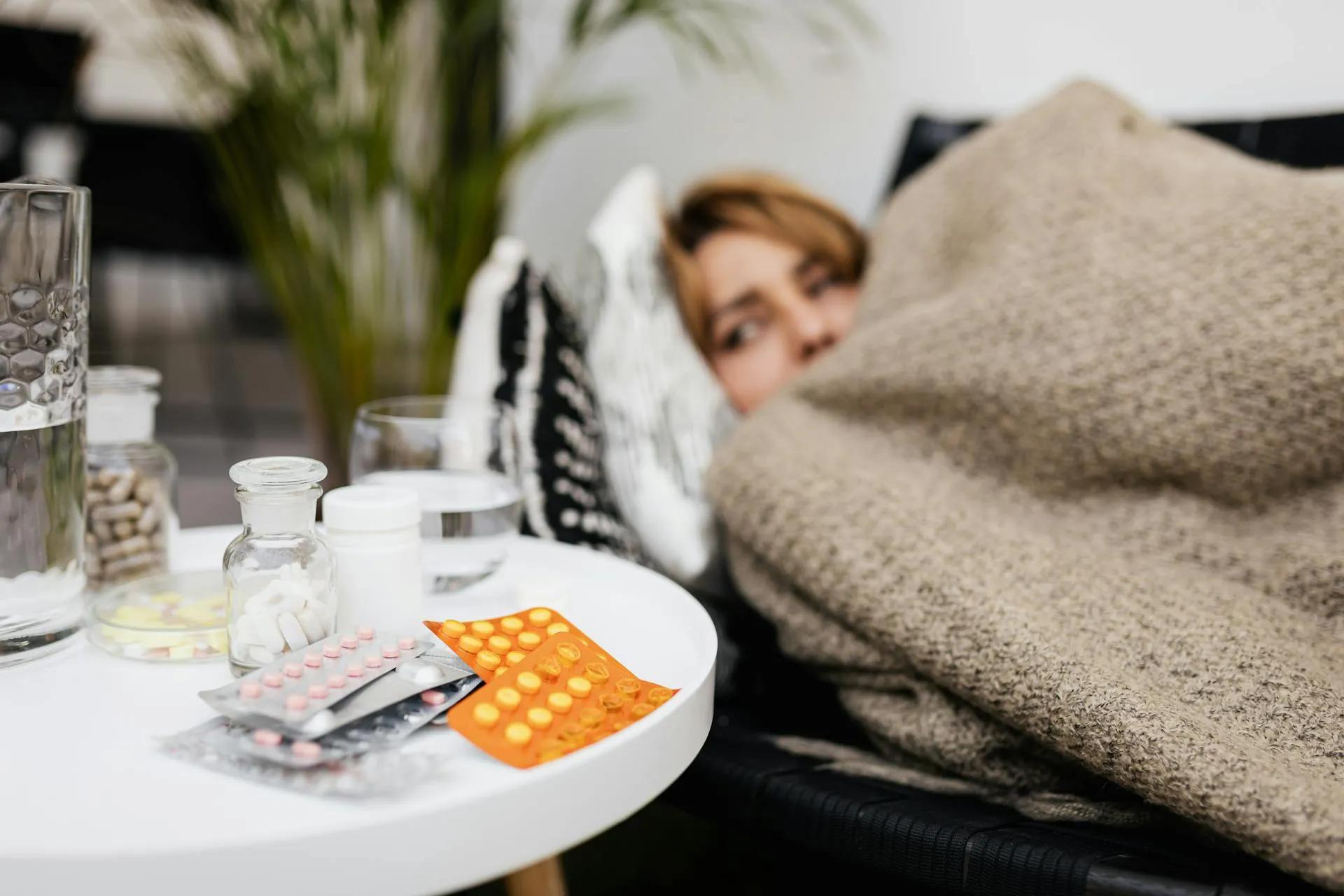
It rarely starts in a dramatic way. For many women, a benzodiazepine prescription comes during a stressful stretch, a health scare, a rough postpartum period, or a season of chronic anxiety that just will not let up. Medications like Xanax or Ativan can feel like a lifeline at first. Sleep improves, the edge softens, and daily life becomes manageable again.
The problem is not the initial relief. It is what happens when that short-term support quietly stretches into something longer. Women tend to carry layered responsibilities, work, caregiving, emotional labor, and that constant mental checklist that never really shuts off. When a medication takes the edge off, it can feel like the only thing keeping everything from unraveling. Over time, the body adjusts. What once worked easily starts to feel less effective, and stopping can bring on symptoms that feel worse than the original issue.
This is where things get complicated. Many women are not looking to misuse anything. They are trying to function, to show up, to keep their lives intact. But dependence does not announce itself. It builds slowly, often under the surface, until it becomes part of the daily routine.
Why Women Are At Risk
There are patterns worth paying attention to. Women are prescribed anti-anxiety medications at higher rates than men, and they are more likely to stay on them longer. Hormonal shifts, especially during perimenopause and postpartum periods, can amplify anxiety and sleep disruption. Add in social pressure to stay composed and capable, and it is easy to see how reliance can take hold.
There is also the emotional layer. Women are often expected to manage not just their own stress, but the emotional tone of their households. That invisible load adds up. A medication that creates a sense of calm can feel like a tool, not a risk.
Then there is the issue of how symptoms are handled in clinical settings. Women’s concerns are sometimes minimized or treated quickly with medication rather than long-term support. That quick fix can turn into a long-term pattern without much discussion about what happens next.
When It Starts To Shift
At some point, many women notice a change. The medication that once helped begins to feel like something they cannot go without. There may be subtle signs, needing it earlier in the day, feeling off without it, or noticing that anxiety feels sharper between doses. Sleep may become more fragile, and mood can feel unpredictable.
There is often a moment of clarity that is not dramatic, just a quiet realization that something is off. It might come after trying to cut back, or after missing a dose and feeling the physical and emotional fallout. That is usually when the question shifts from how do I manage my anxiety to what is actually going on here.
This is also where shame can creep in, which does not help anything. The reality is more straightforward. The body has adapted, and now it needs a different kind of support.
Treatment That Fits Life
Not everyone can step away from work, family, or daily responsibilities to address this. That is where options like a virtual IOP in California, Virginia or D.C., it doesn't matter, virtual IOP is a great fit for you if you need structure without disappearing from your life entirely. These programs allow women to receive consistent support while still handling real-world obligations.
That kind of flexibility matters. It removes one of the biggest barriers, the idea that you have to choose between getting help and maintaining your life. Virtual care also gives access to specialized providers who understand the nuances of medication dependence, especially in women.
Treatment is not about ripping something away overnight. A thoughtful taper, guided by professionals, tends to work better. At the same time, therapy and lifestyle adjustments start to fill the space that the medication once occupied. It becomes less about removing something and more about rebuilding stability in a way that actually lasts.
Rebuilding From The Inside
There is no shortcut here, but there is a path. It usually involves learning how to sit with discomfort without immediately trying to shut it down. That sounds simple, but it is not easy. It takes time to rebuild trust in your own nervous system.
This is where the benefits of therapy show up in a real, practical way. Therapy is not just about talking in circles. It helps identify what is actually driving the anxiety, whether that is chronic stress, unresolved experiences, or patterns that have been running in the background for years. It also teaches skills that do not disappear when a prescription runs out.
Physical habits matter too. Sleep routines, nutrition, and even how you move your body can influence how stable you feel day to day. None of these things replace medical care, but they support it in a way that makes the process smoother.
There is also something to be said for the community. Being around other women who understand what this feels like removes a layer of isolation that can make everything harder. It changes the narrative from something is wrong with me to this is something I am working through.
A Different Kind Of Stability
What many women find on the other side is not a perfect, anxiety-free life. It is something more realistic and, in a strange way, more solid. There is a steadiness that comes from knowing you can handle your own thoughts and emotions without needing an immediate escape.
That does not mean medication is always off the table. For some, it still has a place, just in a more intentional, carefully managed way. The difference is that it is no longer the only tool.
There is also a shift in how stress is viewed. Instead of something to eliminate at all costs, it becomes something that can be managed, worked through, and sometimes even understood. That shift alone changes how overwhelming life feels.
For women dealing with benzo dependence, the path forward is rarely about willpower. It is about support, timing, and finding an approach that fits real life. When that combination comes together, things start to feel less fragile and more grounded.